Something off with your capo?
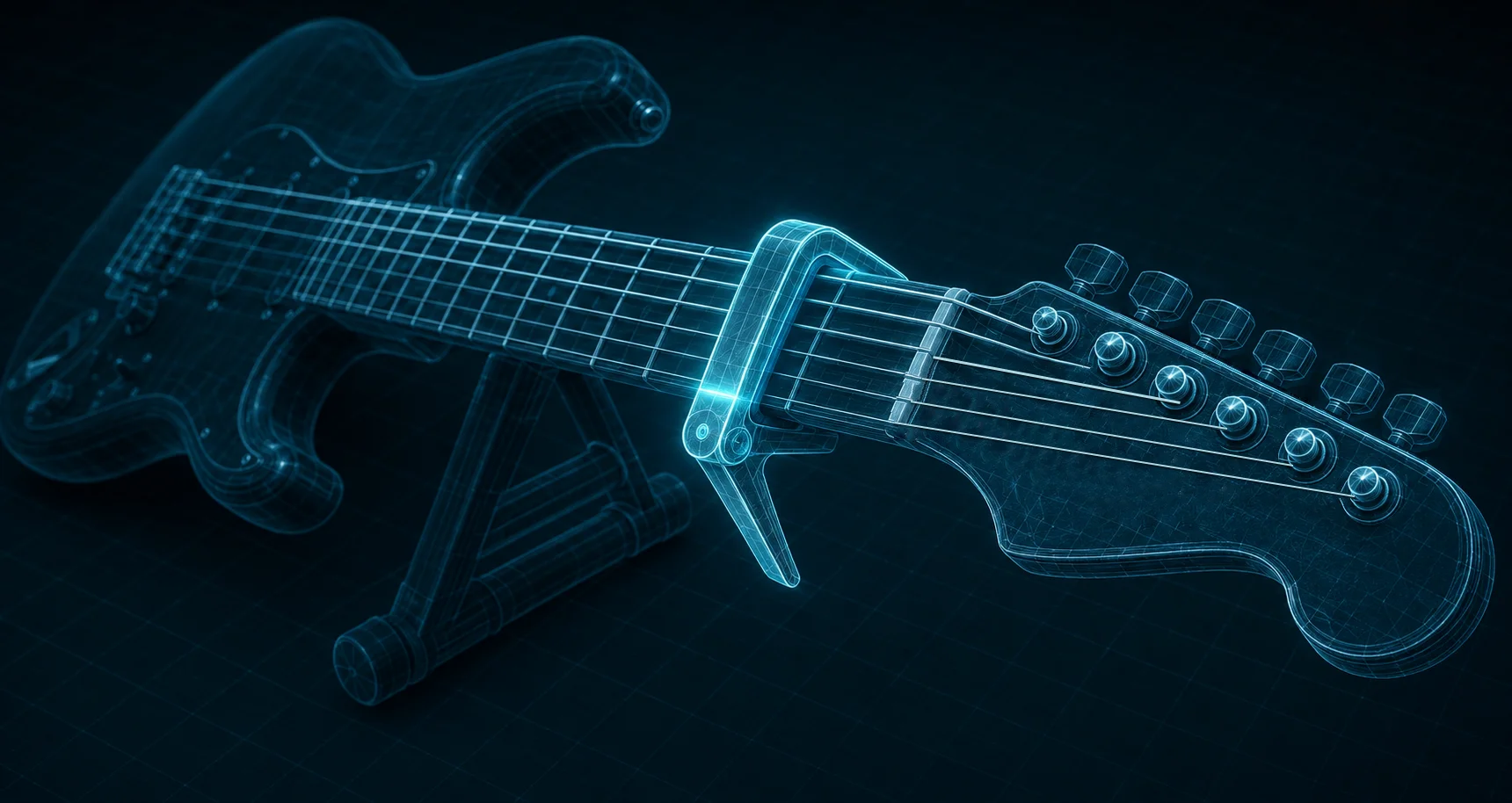
Tell us what you're hearing. We'll tell you exactly what to fix.
Capo on. Something sounds off.
Three quick questions. One clear fix. No tuner needed.
What type of capo?
This helps us give you the right pressure advice.
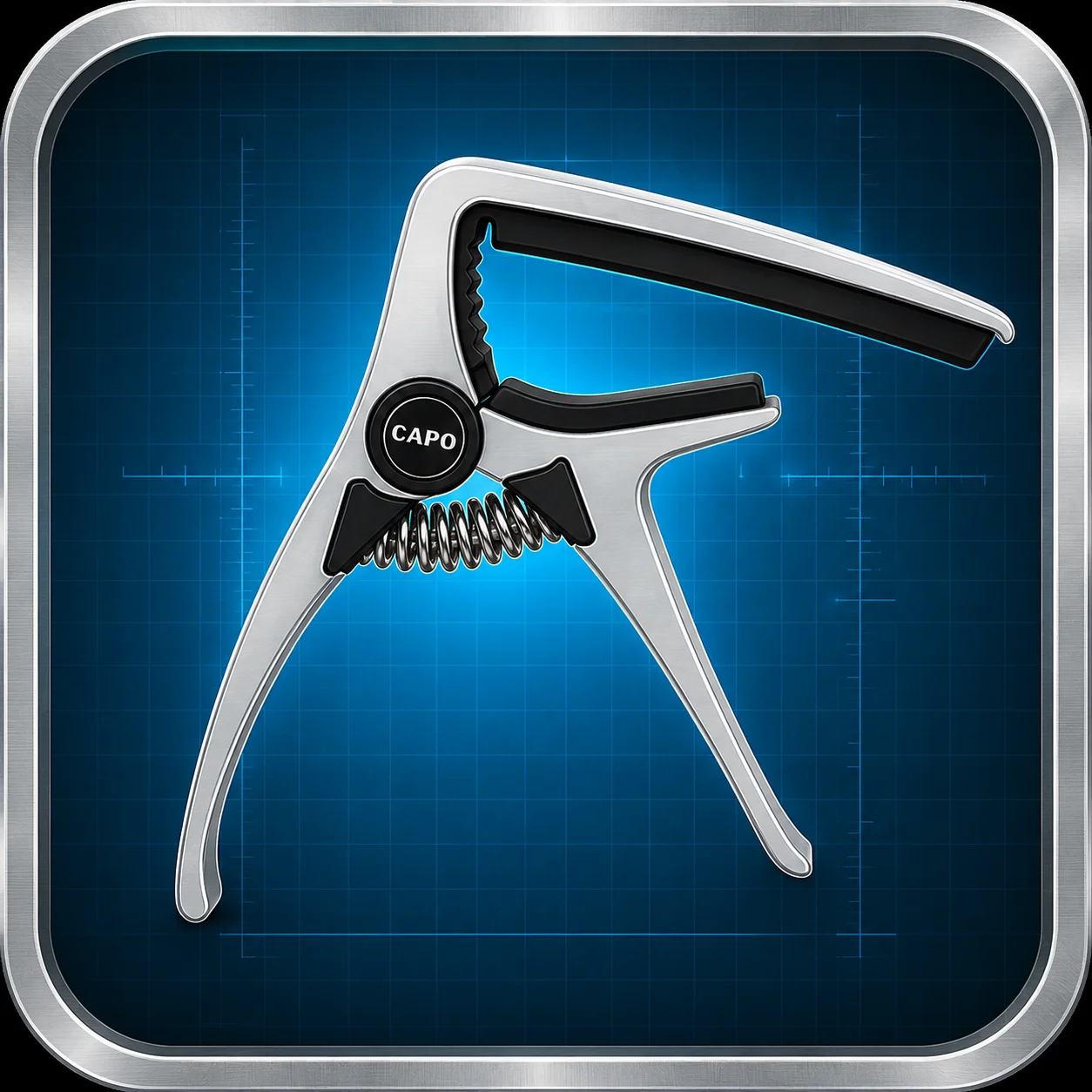
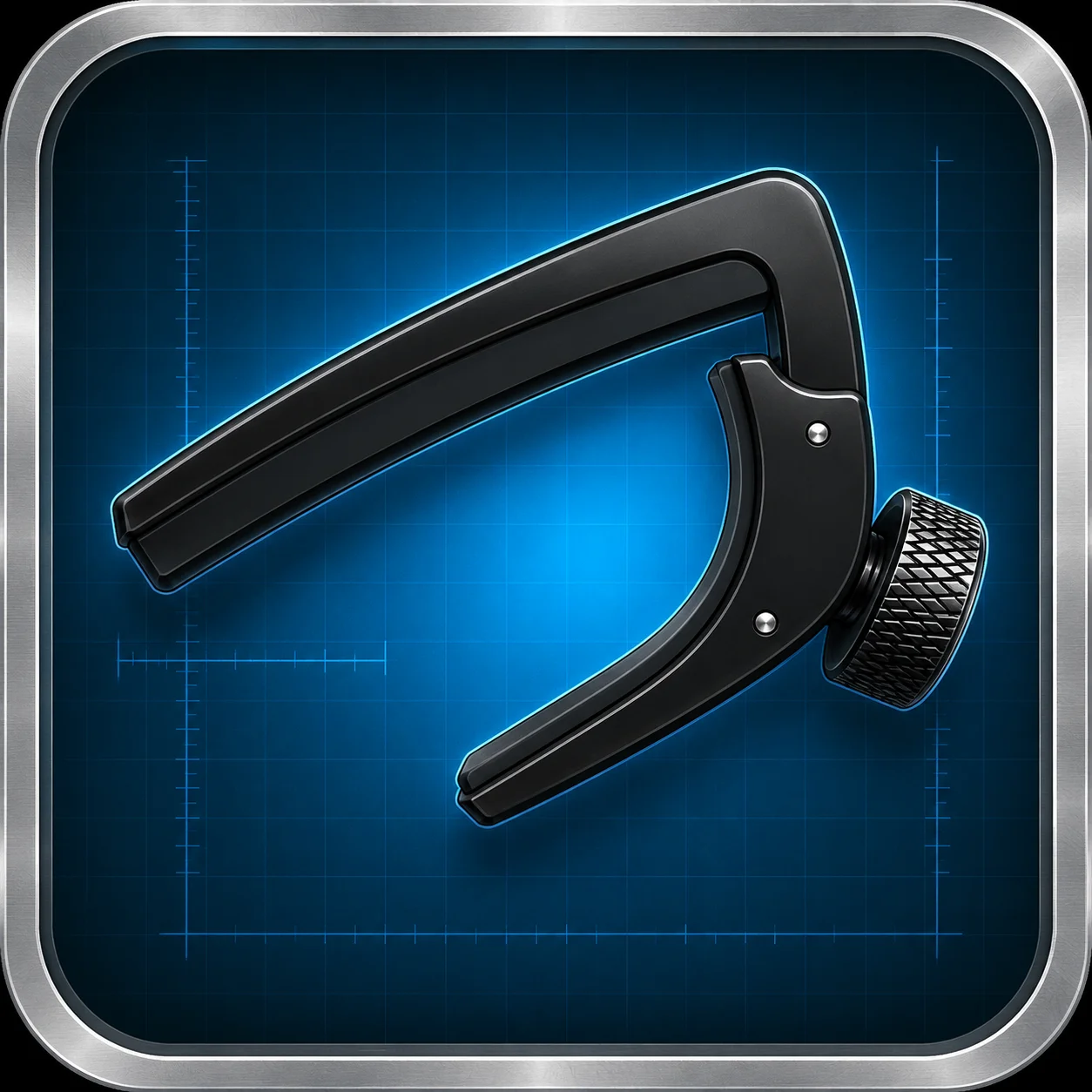
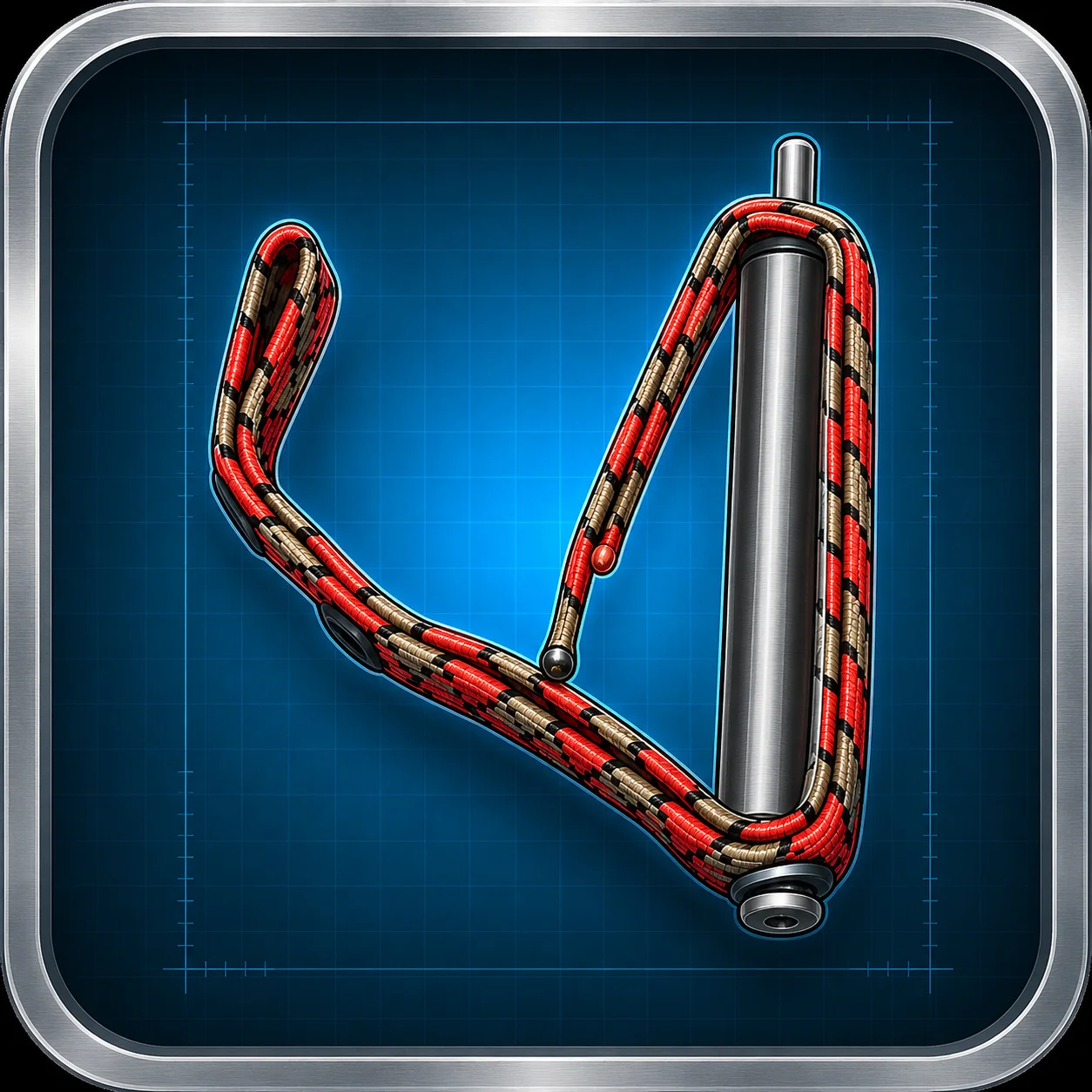
Which fret is the capo on?
Higher frets can be a little more forgiving — lower frets show problems faster.
What are you hearing?
Tap the one that best describes what's going on.
Why a capo can make a good guitar sound wrong
A capo does the same job as your finger, but with less judgement. It presses every string at once, with the same force, whether that string needed it or not.
That's where the trouble comes from. Pressing a string down stretches it slightly, and a stretched string goes sharp. Wound strings stretch differently from plain ones, so the strings don't all go sharp by the same amount — which is why a capoed chord can sound sour even when each string looks fine on a tuner.
Three things usually explain it: too much pressure, the capo sitting too far behind the fret, and side-pull dragging the strings sideways. None of them means your guitar needs work. All three are adjustable in about ten seconds.
Capo questions, answered
Why does my guitar go sharp with a capo on?
The capo stretches the strings slightly as it presses them down. More pressure means more stretch, and heavier strings are affected most.
Should I retune after fitting the capo?
It's the simplest fix, and worth doing for recording. But if the capo is fitted well you often won't need to — which is a better place to get to.
Does the type of capo matter?
Mainly in how much control you get. Spring capos apply a fixed squeeze; adjustable ones let you dial pressure back until it's just enough.
Why is it worse at the first fret?
String tension is highest near the nut, so any extra stretch shows up faster. Higher frets are more forgiving.
Can leaving a capo on damage anything?
It won't hurt the guitar, but constant pressure wears the strings where it sits. Taking it off between sessions costs nothing.